News Article
Fabulose hosts project exchange:
Integrated sustainability assessment approaches for new textile materials
How can sustainability assessment approaches be applied to emerging bio-based and circular textile materials when data are limited, technologies are still under development and future production conditions remain uncertain?
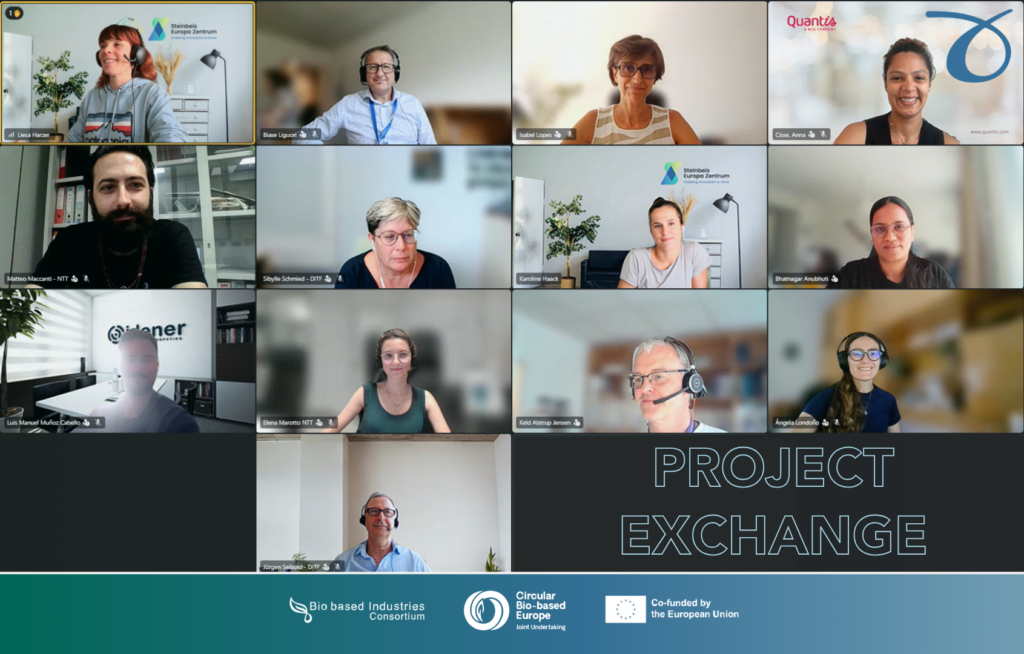
This question was at the centre of Fabulose’s first exchange meeting, titled “LCA, TEA and SSbD Approaches for new Textile Materials”, which took place on 7 September 2026. The online meeting brought together 17 participants from four European projects: Fabulose, CELLFIL, HALO-TEX, and BioFibreLoop.
Fabulose initiated the exchange to create a dedicated space for projects working on bio-based, circular and next-generation textile materials, allowing them to share experiences and compare methodologies related to integrated sustainability and safety assessment. Given the low technology readiness levels of the emerging materials, such assessments are often challenged by limited data availability, uncertain scale-up assumptions and evolving end-of-life scenarios. Bringing projects together at this stage can help identify common methodological challenges, support knowledge exchange and contribute to more coherent assessment practices across the European bio-based textiles landscape.
During the meeting, each project presented its methodologies and approaches for applying SSbD, LCA, sLCA and TEA to the development of emerging bio-based and circular textile materials. Although the projects differ in scope, technologies and target applications, several common challenges became apparent. A recurring theme across the presentations was the uncertainty associated with scaling up processes from laboratory and pilot scale to future industrial production. Other challenges included limited data availability, the assessment of cascading value chains, allocation choices, the selection of suitable functional units and assumptions regarding future industrial implementation.
The exchange highlighted the importance of continued collaboration to improve and harmonise assessment methodologies for bio-based products in Europe. Several potential topics for future exchange were identified, including common indicators, data collection approaches, end-of-life modelling, benchmarking strategies and the integration of environmental, economic, social and safety considerations within assessment frameworks.