News Article
Leather and Deforestation
Why vegan, circular, bio-based material innovations matter now!
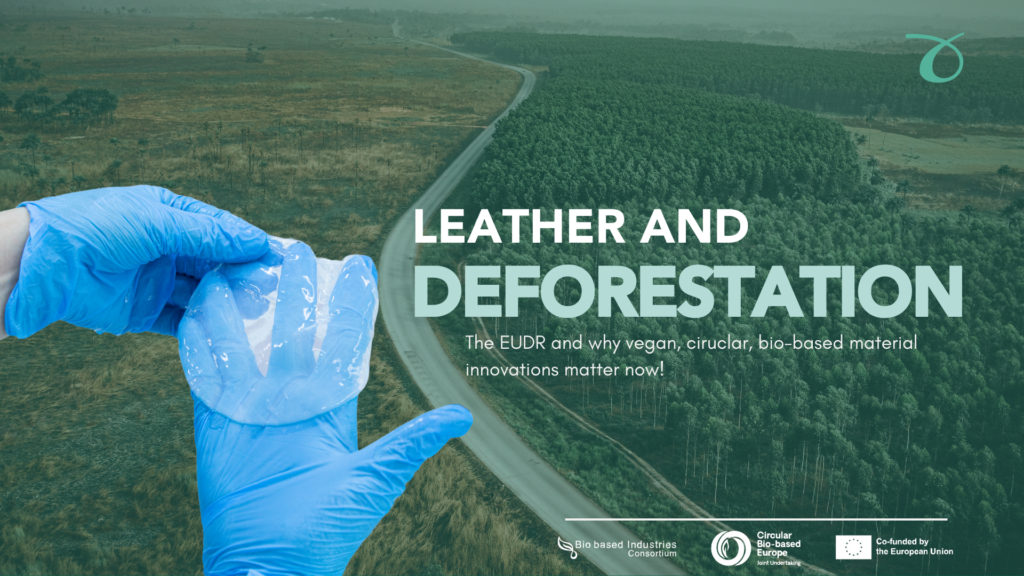
The European Commission is currently considering a proposal to remove leather from the scope of the EU Deforestation Regulation (EUDR), following a simplification package published in May 2026 and feedback from industry stakeholders.(1;2;3)
This ongoing debate highlights a broader challenge: regulatory frameworks alone may not fully address the environmental impact of complex global supply chains, and their scope can evolve over time.
For Fabulose, this underlines the need to go beyond compliance and accelerate the development of circular, bio-based alternatives that inherently reduce pressure on forests, enable transparent value chains, and support Europe’s transition to a sustainable bioeconomy.
What the EUDR does and why it is important
Adopted in June 2023, the EUDR establishes rules to ensure that products placed on or exported from the EU market are deforestation-free, produced in accordance with the relevant laws of the country of origin, and supported by due diligence systems.(4) The regulation responds to a well-documented challenge: EU consumption of agricultural and forestry commodities is a significant driver of global deforestation and ecosystem degradation. Studies show that the EU is one of the largest importers of commodities linked to deforestation, including cattle, soy and palm oil, and has historically contributed substantially to deforestation embedded in global trade.(5)
To address this, the EUDR introduces mandatory due diligence requirements, including the collection of geolocation data to trace products back to their origin. Companies placing covered products on the EU market must demonstrate that these products are both deforestation-free and legally produced.4 After several transition periods the regulation is now expected to apply from 30 December 2026 for large and medium-sized operators, and later for smaller enterprises.(6)
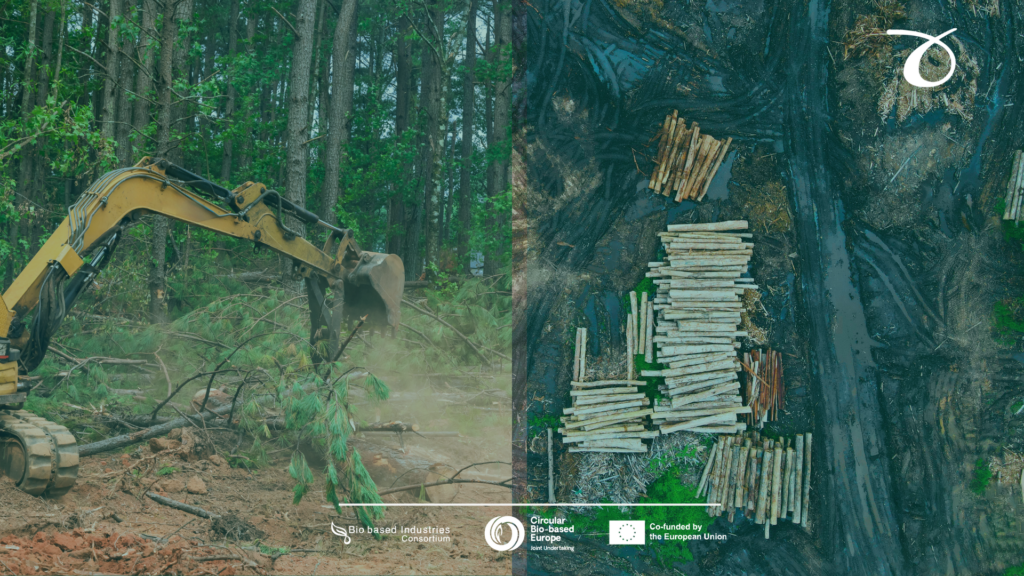
While widely recognised as a key instrument for reducing the EU’s deforestation footprint, the regulation has also sparked debate. Environmental organisations and companies with strong sustainability commitments broadly support it as a necessary step, while industry stakeholders have raised concerns about implementation costs, data requirements, and administrative complexity.(8)
Leather and Deforestation: An ongoing policy debate
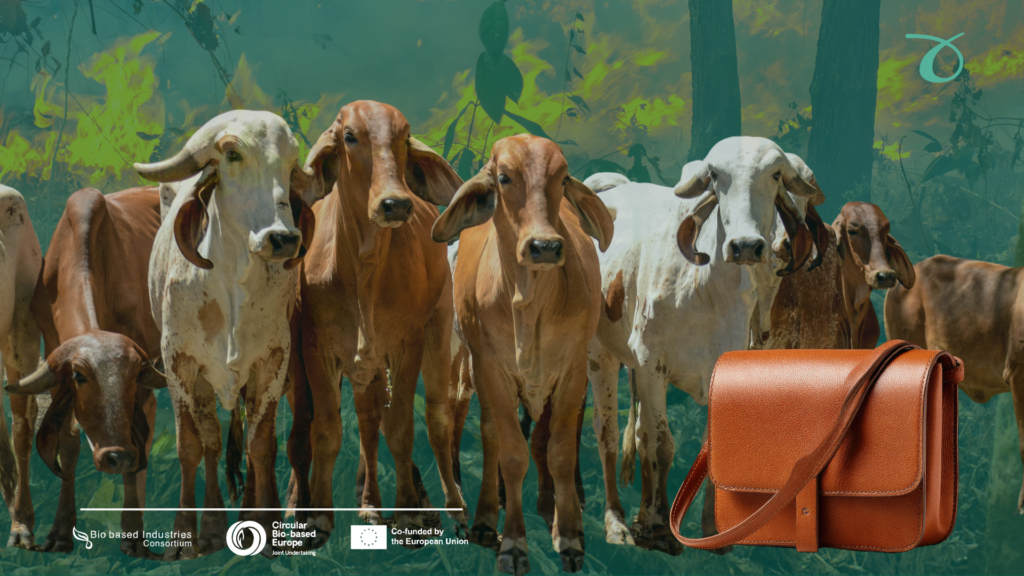
In May 2026, the European Commission published a draft delegated act proposing to remove leather from the EUDR’s scope Industry representatives argue that hides are a by-product of meat and dairy production and that imposing full traceability requirements on leather would create disproportionate costs without corresponding environmental benefits.(1;3)
Environmental organisations, however, point to a different reality. Leather is directly derived from cattle, and cattle expansion is one of the leading drivers of agricultural deforestation globally, particularly in regions such as the Amazon.(1) Recent investigations have also highlighted traceability challenges within leather supply chains. Studies and investigative reports have linked leather sold in Europe to supply chains associated with illegal deforestation and land-use change, underlining gaps in current monitoring and verification systems.(1)
The European Commission’s final decision on whether to maintain or exclude leather from the EUDR, expected in 2026, will therefore be a key signal of how the EU balances environmental ambition with the concerns of affected industries.
Fabulose: Innovation as a practical response
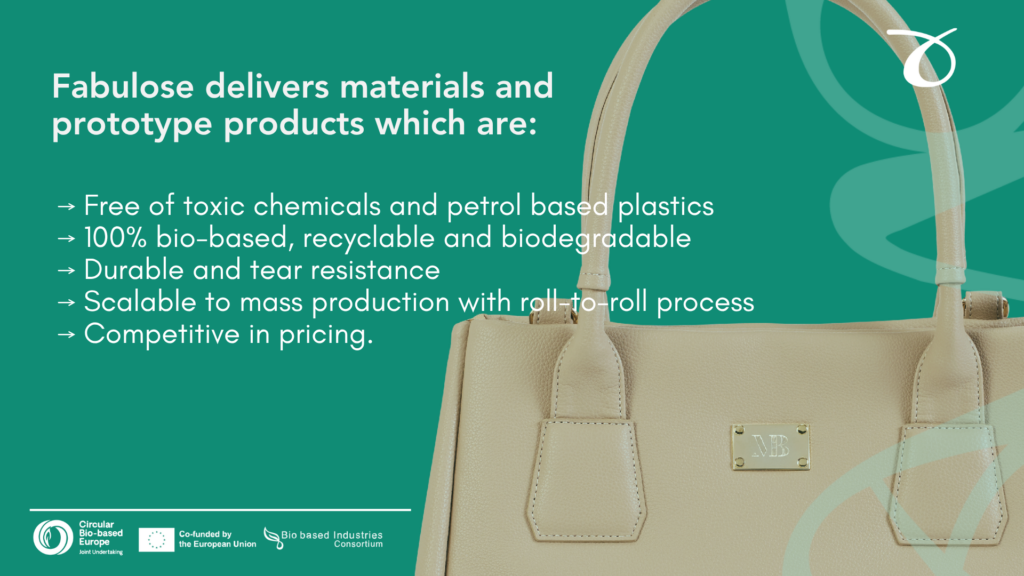
Rather than focusing on regulatory exemptions, the Fabulose project addresses these challenges at their root. The project aims to develop animal-free and fossil-free material alternatives designed to reduce reliance on resource-intensive and environmentally sensitive supply chains.
Fabulose focuses on advanced bio-based materials derived from bacterial cellulose, cyanophycin, and natural pigments. Its approach combines fermentation processes, AI-supported optimisation, functional coatings, and scalable manufacturing technologies with the aim of producing durable, recyclable, and biodegradable materials for applications in fashion, automotive, and upholstery.
In doing so, the project wants to demonstrate how material innovation can support both environmental objectives and industrial competitiveness. It highlights the potential of research-driven solutions to complement regulatory frameworks and to offer long-term, scalable alternatives to conventional materials.